
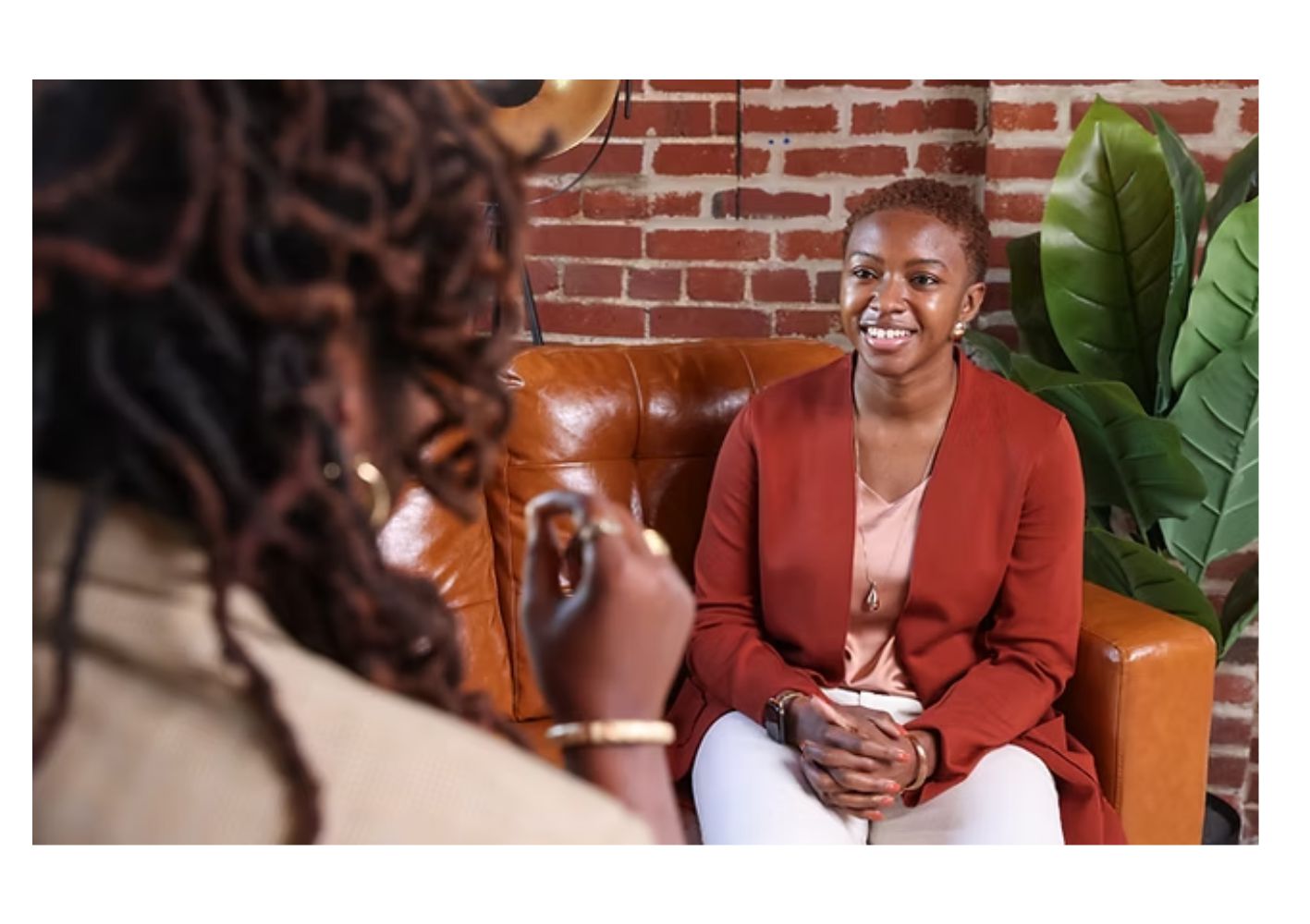
Mental Health Therapy for Women in Abuja, Nigeria
Mental health is a vital part of overall health and quality of life.
Women particularly face unique challenges that can influence their mental health yet it is often overlooked and misunderstood.
Mental health is a critical aspect of overall well-being that affects women uniquely due to a variety of biological, social, psychological, and cultural factors. Women often experience mental health issues such as depression, anxiety, and eating disorders at higher rates than men. These differences can be influenced by hormonal changes, such as those associated with menstruation, pregnancy, and menopause.
Biological Factors
Hormonal changes throughout a woman’s life, such as menstruation, pregnancy, postpartum, and menopause, can affect mood, anxiety levels, and emotional regulation.
In Nigeria, women often have limited access to reproductive health education and mental health counseling during these life stages, which can exacerbate stress and emotional distress. Postpartum depression, for example, is often underreported due to stigma or lack of awareness, leaving many women without proper support.
Understanding these biological influences is crucial for identifying when professional help is needed.
Social and Cultural Pressures
In Nigerian society, women frequently juggle multiple roles, from pursuing careers to managing households and raising children. Cultural expectations often place the burden of caregiving and family management primarily on women, regardless of their personal or professional ambitions.
This “double duty” can contribute to chronic stress, burnout, and feelings of inadequacy. Additionally, societal pressures related to marriage, motherhood, and physical appearance can exacerbate anxiety, depression, and body image concerns. Recognizing these pressures is key to providing culturally sensitive mental health support.
Trauma and Life Experiences
Women in Nigeria face a higher risk of experiencing gender-based violence, including domestic abuse, sexual harassment, and female genital mutilation in certain regions. Such traumatic experiences can have long-lasting effects on mental health, contributing to PTSD, depression, and anxiety disorders.
Addressing these issues requires trauma-informed care, safe spaces for healing, and community awareness programs that validate women’s experiences and empower them to seek help without fear of judgment.
Social expectations and roles can also contribute significantly to women's mental health. Women frequently juggle multiple responsibilities, including career, family, and caregiving roles, which can lead to chronic stress. The pressure of societal beauty standards may further complicate issues, leading to disorders such as body dysmorphic disorder and eating disorders.
Access to care is another critical factor. Women may face barriers, such as stigma, economic challenges, and lack of mental health resources tailored to their needs. In many cultures, speaking about mental health issues may be stigmatized, making it difficult for women to seek help.
Additionally, trauma plays a significant role in women’s mental health, with higher incidences of sexual abuse and domestic violence. Such experiences can lead to conditions like PTSD, requiring sensitive treatment approaches that consider the trauma aspect.
Despite the growing awareness around mental health, stigma remains a major barrier. For women, mental health struggles are sometimes dismissed as “emotional” or “overreacting.” This invalidation can discourage open conversation and delay treatment.
But mental health is not a weakness, it’s a human experience. Talking openly about mental health can help others feel less alone and more empowered to seek help. Creating safe, judgment-free spaces, whether in workplaces, schools, or communities, can foster support and healing.
Supporting women’s mental health is not just a women’s issue, it’s a societal one. When women are mentally well, families are stronger, workplaces are healthier, and communities are more resilient
Supporting women’s mental health means more than just raising awareness, it requires accessible mental health services, safe spaces for open conversations, and policies that protect and empower women. Regular self-care, strong social connections, and professional support can make a powerful difference.
Empowering women with education about mental health, advocating for policy changes, and promoting supportive environments can mitigate these challenges. Increasing awareness about mental health issues, fostering community support networks, and providing accessible mental health services are crucial steps toward improving women's mental health outcomes.
Just as important is cultivating a strong support network. Connection, whether with friends, family, or community groups, is one of the most powerful protective factors for mental health.
As we continue to advocate for gender equity in all areas of life, let’s make mental health a central part of the conversation. By investing in women’s well-being, through policy, education, healthcare, and compassion, we create a future where every woman has the opportunity to thrive.
Pathways to Healing and Resilience
So what does effective support for women’s mental health look like? It starts with early education, routine screening, and easy access to mental health services. Employers and institutions must also play a part by promoting mental wellness programs and family-friendly policies that acknowledge the mental load many women carry.
On an individual level, women can benefit from tools such as:
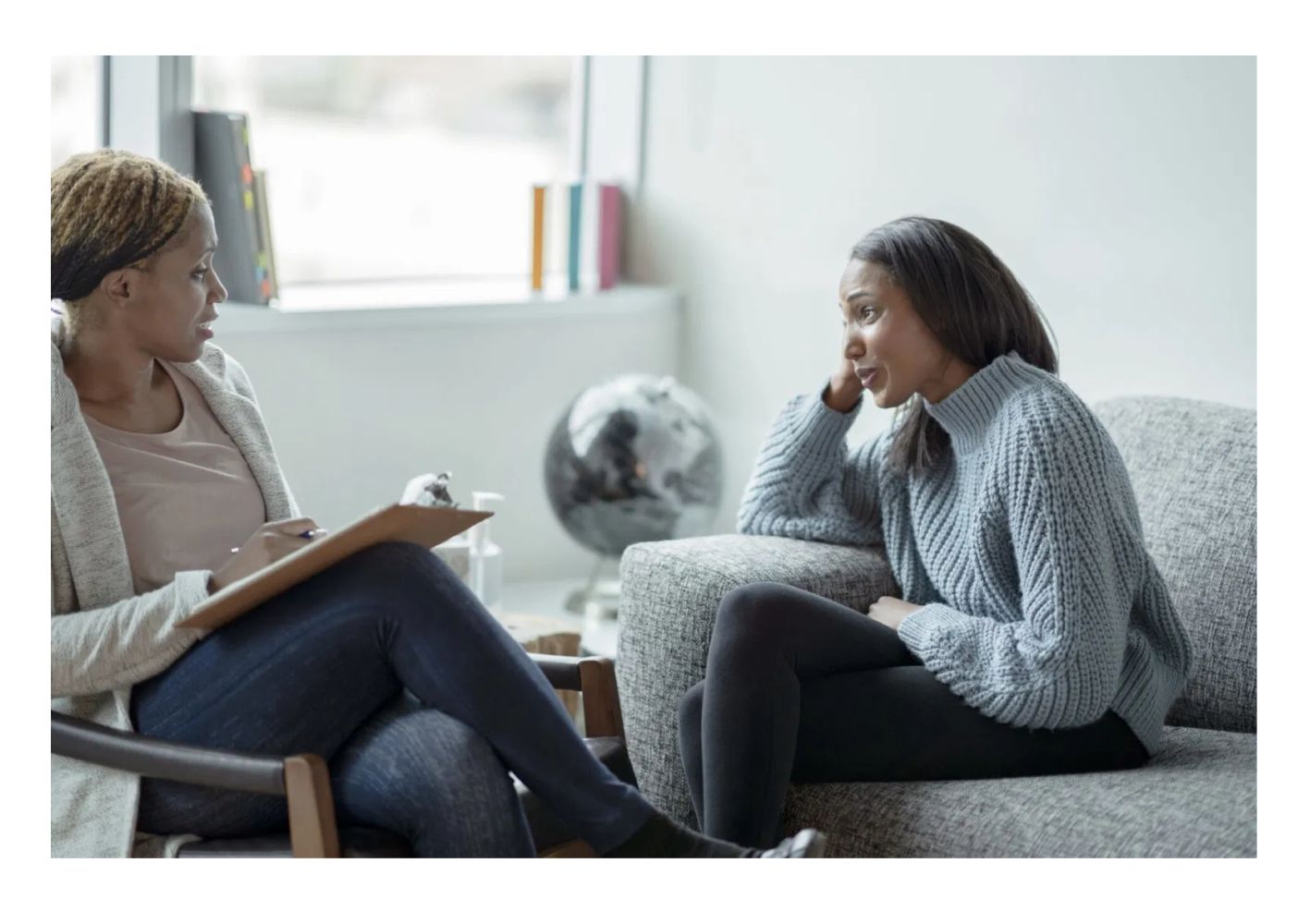
- Therapy or counselling with a licensed professional
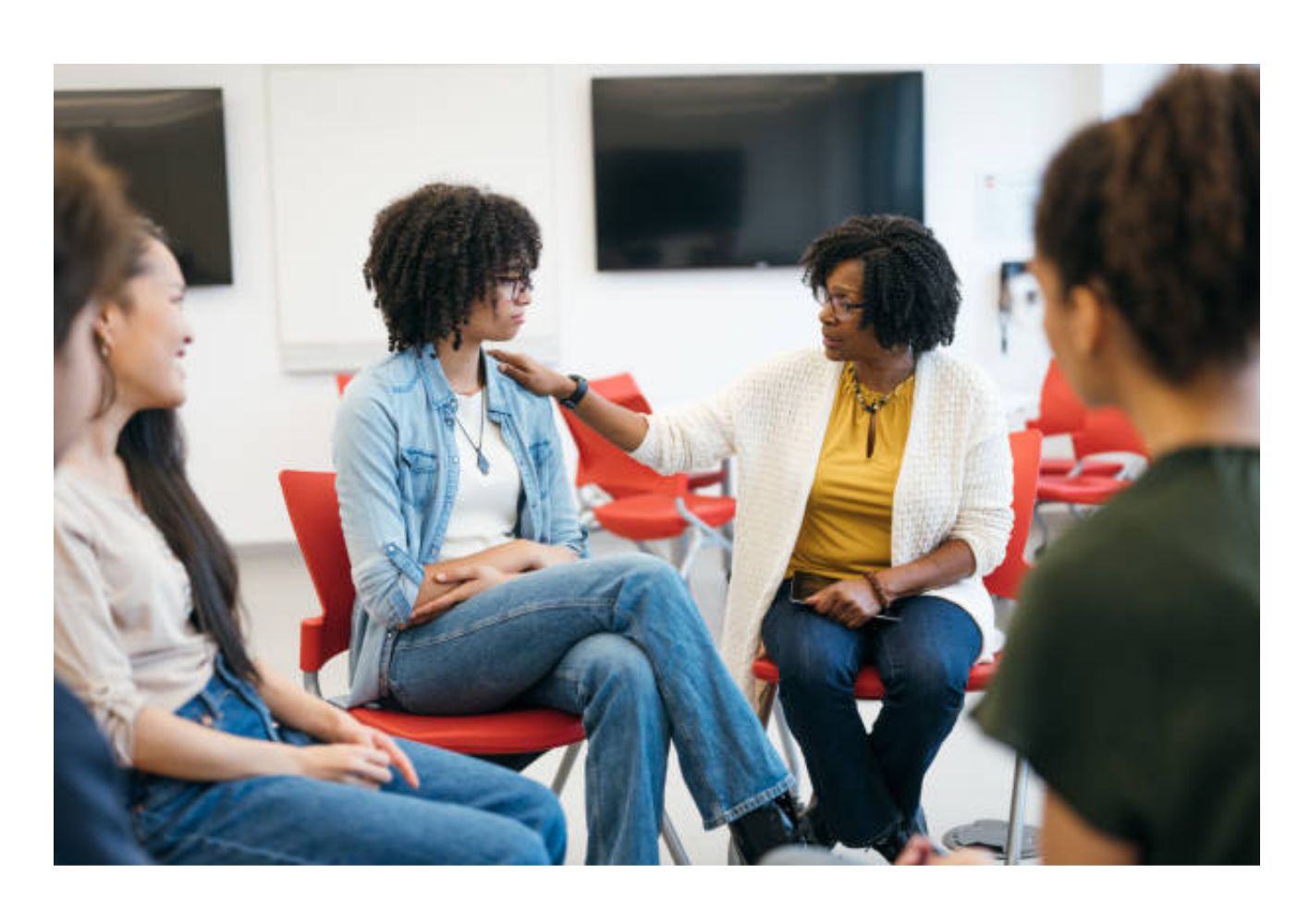
- Peer support groups or mental health communities
- Mindfulness practices, including meditation and journaling
- Physical activity, which supports mental well-being
- Balanced nutrition and sleep, often overlooked but critical
Conclusion
In conclusion, women’s mental health is a vital aspect of overall wellbeing that deserves attention, understanding, and support. Biological, social, and cultural factors, along with life experiences and trauma, can uniquely impact women, making accessible care and safe spaces essential.
By prioritizing self-care, seeking professional help, and building strong social connections, women can foster resilience, emotional balance, and a higher quality of life.
At Olive Prime Aventurine, we are committed to empowering women in Abuja through specialized support groups, mental wellness programs, and a judgment-free environment where every woman can thrive. Remember, seeking help is a sign of strength, and no woman should navigate her mental health journey alone.
If you read this and find yourself feeling sad or demoralised from the challenges of establishing a self-care routine, then it is best to seek help. Contact us directly through the provided contacts below.
You Are Not Alone, Let Us Help
If you’re finding it hard to cope, please remember that healing begins with one step.
At Aventurine, we provide a safe, women-only environment where you can receive compassionate support and professional care.
Join our FREE women-only support group, created to help you find strength, connection, and emotional balance.
We invite you to attend our Women’s Mental Wellness Open Day, where you can meet our team, learn about mental health resources, and connect with other women on their healing journey.